Essential AC Maintenance Tips for Homeowners in Southern California
Southern California’s warm climate means air conditioning is a must-have for most homes. Keeping your AC system in top shape not only ensures comfort during hot months but also saves money on energy bills and costly repairs. Many homeowners overlook routine maintenance, which can lead to decreased efficiency and unexpected breakdowns. This guide offers practical, easy-to-follow tips to help you maintain your AC system and keep your home cool all year long.
Check and Replace Air Filters Regularly
Air filters trap dust, pollen, and other particles, preventing them from entering your home and damaging your AC system. In Southern California, where dust and allergens are common, filters can clog quickly.
Inspect filters every month during heavy use.
Replace filters every 1 to 3 months depending on the type and usage.
Use high-quality filters designed for your specific AC model.
A clean filter improves airflow, reduces strain on the system, and enhances indoor air quality.
Keep the Outdoor Unit Clean and Clear
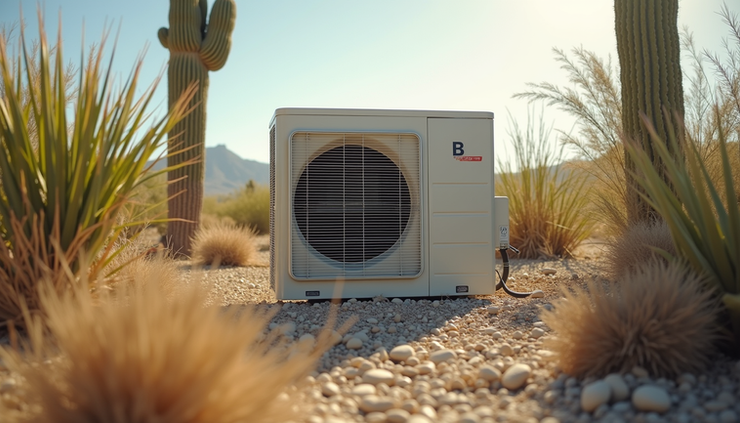
The outdoor condenser unit is exposed to dirt, leaves, and debris that can block airflow and reduce efficiency.
Remove leaves, grass clippings, and dirt around the unit regularly.
Trim plants and shrubs to maintain at least two feet of clearance.
Gently hose down the unit’s fins to remove dust buildup, but avoid using high-pressure water.
A clean outdoor unit helps your AC run smoothly and prevents overheating.
Inspect and Clean the Evaporator and Condenser Coils
Coils absorb and release heat, making them critical for cooling. Over time, they collect dirt that reduces their ability to transfer heat.
Schedule a professional coil cleaning at least once a year.
If you notice reduced cooling or higher energy bills, coils may need immediate attention.
Avoid DIY coil cleaning unless you have experience, as coils are delicate.
Proper coil maintenance keeps your system efficient and extends its lifespan.
Check Refrigerant Levels and Look for Leaks
Refrigerant is the fluid that cools the air. Low levels or leaks can cause your AC to underperform or stop working.
Have a licensed technician check refrigerant levels annually.
Signs of leaks include hissing sounds, ice buildup on coils, or warm air blowing.
Do not attempt to add refrigerant yourself; improper handling can damage the system and harm the environment.
Maintaining correct refrigerant levels ensures effective cooling and protects your AC unit.
Inspect and Maintain the Thermostat
Your thermostat controls the temperature and operation of your AC system. A malfunctioning thermostat can cause discomfort and wasted energy.
Replace batteries in programmable thermostats yearly.
Consider upgrading to a smart thermostat for better control and energy savings.
Test the thermostat’s accuracy by comparing room temperature with the set temperature.
A well-functioning thermostat helps maintain consistent comfort and reduces energy costs.
Clear and Maintain Drain Lines
Condensation from your AC system drains through a pipe that can clog with algae or debris, causing water damage or system shutdown.
Pour a cup of bleach or vinegar down the drain line every few months to prevent buildup.
Check for leaks or water pooling near the indoor unit.
If you notice water backup, call a professional to clear the drain.
Regular drain maintenance prevents costly water damage and keeps your AC running smoothly.
Schedule Annual Professional Maintenance
Even with regular DIY care, professional inspections catch issues early and keep your system running efficiently.
Hire a licensed HVAC technician for a tune-up before the cooling season.
The technician will check electrical connections, lubricate moving parts, inspect belts, and test system performance.
Regular professional maintenance can extend your AC’s life by several years.
Investing in annual service reduces the risk of breakdowns during peak heat.
Use Energy-Efficient Practices to Support Your AC
Supporting your AC with smart habits reduces wear and energy use.
Close blinds and curtains during the hottest part of the day to block heat.
Use ceiling fans to circulate air and reduce reliance on AC.
Seal windows and doors to prevent cool air from escaping.
Set your thermostat to 78°F when home and higher when away.
These simple steps ease the load on your AC and lower your utility bills.
Know When to Repair or Replace Your AC
Older units may become inefficient or require frequent repairs.
If your AC is over 10-15 years old and needs major repairs, replacement might be more cost-effective.
Newer models use less energy and offer better cooling performance.
Consult with a professional to evaluate your system’s condition and options.
Making the right choice saves money and keeps your home comfortable.
Need AC service? Contact First American Experts to schedule your service call.


Comments